Resource sectionEmployee Spotlights
Get to Know Within: Leandro Torres

Bio
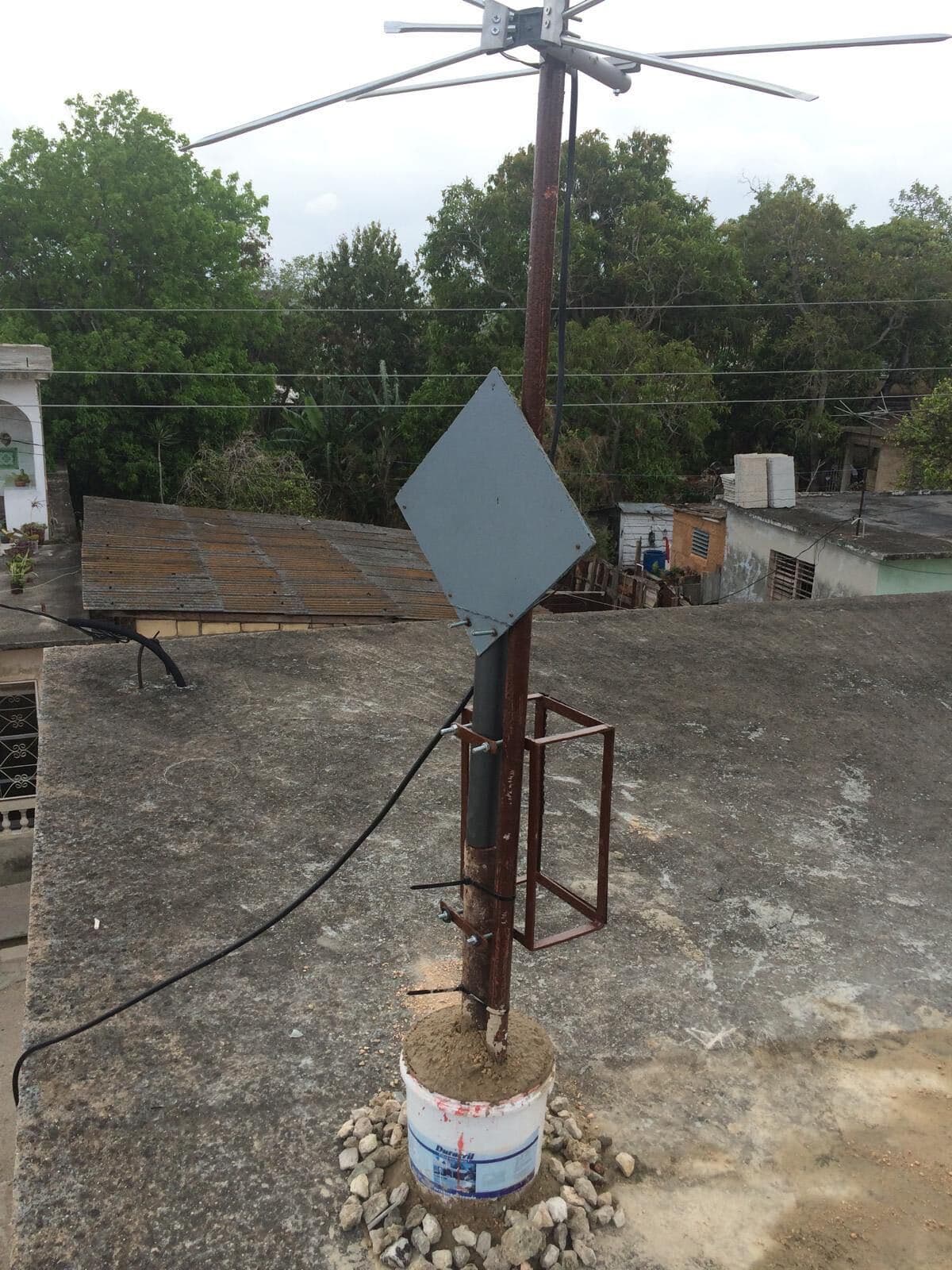
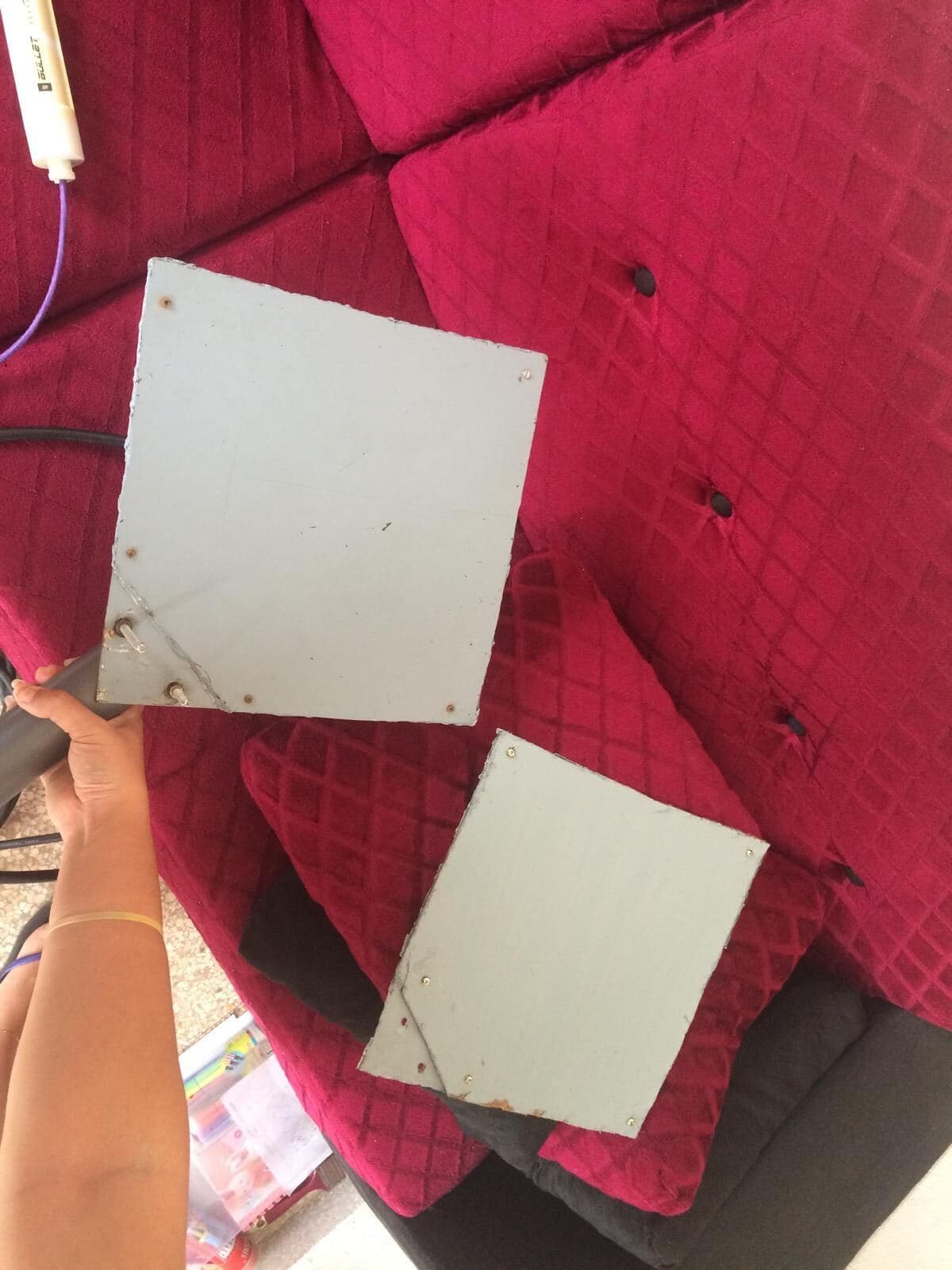
I first got internet access at Universidad Tecnológica de La Habana "José Antonio Echeverría", CUJAE when I was 19, and later only had access to public wifi once it became available. At first, getting online meant biking a mile to a park with Wi-Fi, working offline, and pushing to GitHub once I had a signal. That was until I bought a Ubiquiti nanostation antenna, about $400 to $500 on the Cuban black market, and aimed it at that same park to pull its signal straight into my house instead. Someone stole it off my roof in broad daylight, so I replaced it with a handmade roof antenna and a coax run to a Ubiquiti Bullet inside the house. That's the environment that shaped me: if the infrastructure you need doesn't exist yet, or gets stolen, you build a workaround, and you don't make a big deal out of it afterward.
Quick Answers
What's the project you're proudest of recently? Shipping a real-time network status modal for the companion app, the kind of pattern Slack and Google Meet use, in about six hours flat.
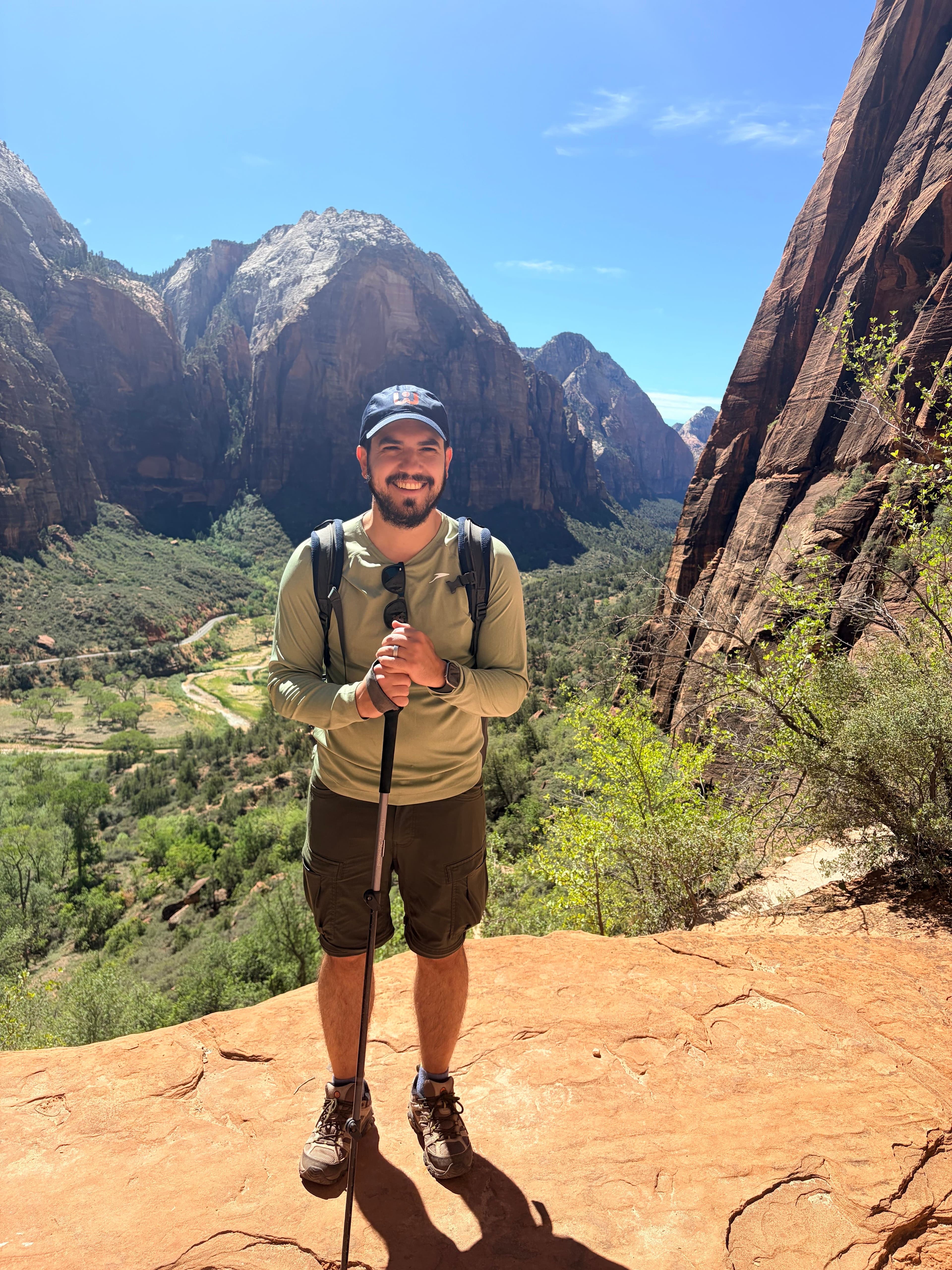
What's something people wouldn't guess about you? I love to road trip to different national parks whenever I get the chance. Yosemite and Zion have been my favorites so far, and most recently I made it out to Zion and Bryce.
Code review, but for the parts that matter
My biggest recent build wasn't a feature. It was an AI code review pipeline in Cursor that gives every pull request a first pass before a human sees it. Getting there took months of manually reviewing PRs and compiling what I found into the skill set that now trains the automation. With AI handling the first pass, my own review time narrows to what actually matters: the small set of core, load-bearing components everything else depends on. It fits neatly into how Within already ships: engineers have the flexibility to deploy when they're ready, usually daily, and they own what they ship.
A race condition disguised as a feature.
Picture-in-picture kept distorting in the companion app, and the root cause was a race condition between when a user's click counted as real browser activation and when the backend connection actually finished establishing. My fix: trigger the PiP display the moment the user selects the screen they want to share, the last point in the flow that's still a reliable, browser-trusted interaction, rather than waiting on the backend to catch up. Getting it right meant handling pause, resume, and browser-refresh re-entry across a long list of state combinations. It's also why PiP won't make the cut in the desktop app: that version gets a native OS widget instead, which can show and hide itself programmatically and sidesteps the browser's activation rules entirely.
I've gone deep on WebRTC and UDP to debug connectivity issues in Companion and Interviewer, too. Enterprise firewalls routinely block UDP, which is what WebRTC runs on, so I've repeatedly pushed for building an in-house, TCP-based WebSocket connection as the long-term fix. It works on the HTTPS path the app already uses, so IT never has to open a firewall ticket.
Learning to plan, not just ship
If you ask me who's changed how I work, one name comes up: Aditya, Within's AI Product Manager and Founding Engineer, who pushed me toward clearer roadmapping and writing PRDs for bigger projects. My natural mode is to dive in, ship incrementally, and pick up context as I go. Now I balance that against scoping work upfront to catch high-risk intersections early. I've also taken my product sense to the next level, thinking harder about UX simplification and how a feature gets communicated to users, not just whether it works. I have also picked up an entirely new domain in desktop app packaging and distribution, which has been a super interesting experience.